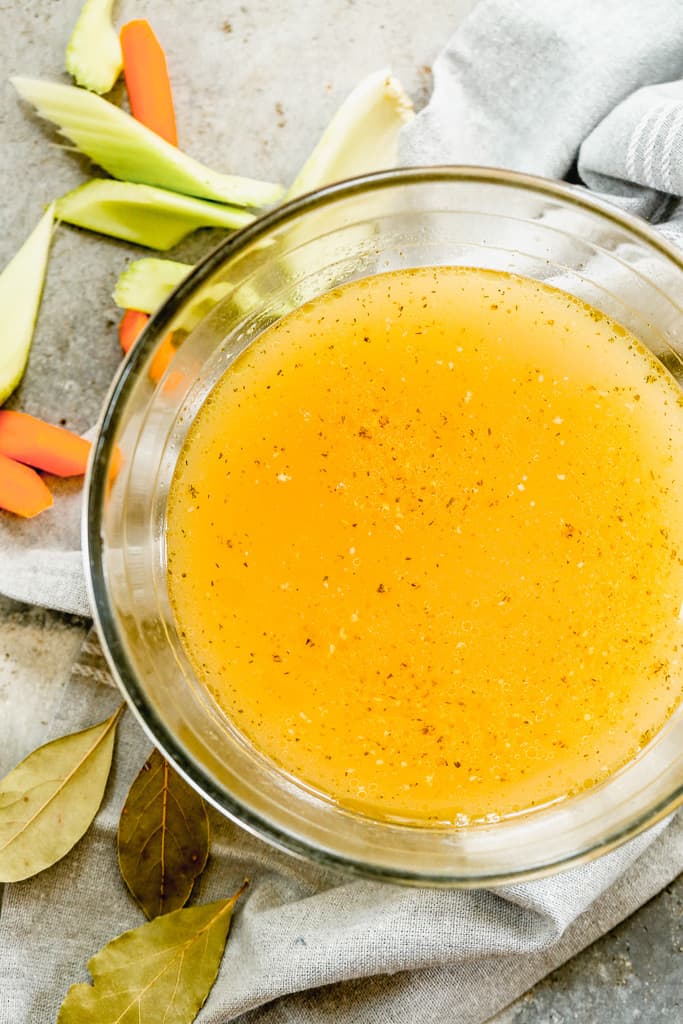
Master Easy Homemade Chicken Stock: Save Money & Boost Flavor
Imagine a secret ingredient that transforms everyday meals into culinary masterpieces, saving you money, reducing waste, and infusing your kitchen with irresistible aromas. That secret? Homemade chicken stock. Far superior to its store-bought counterparts, a batch of lovingly simmered chicken stock is the foundation of countless delicious dishes, from rich risottos to comforting soups and savory sauces. If you've ever felt intimidated by the idea, prepare to discover just how easy and rewarding it can be to make this golden elixir right in your own kitchen.
Making your own chicken stock is more than just a cooking task; it's an act of resourcefulness and a commitment to deeper flavor. It’s an ideal way to utilize those leftover chicken bones from dinner and the odds and ends of vegetables that might otherwise go to waste. In return, you get a deeply nourishing, flavorful liquid that elevates every dish it touches, all while keeping your food budget in check. Prepare to transform simple ingredients into pure culinary gold.
Why Homemade Chicken Stock Reigns Supreme: Flavor, Health, and Savings
Once you taste homemade chicken stock, there's truly no going back to the often bland, additive-laden boxed versions. The difference is profound, offering a complexity and richness that only comes from slow, gentle simmering.
- Unmatched Flavor & Depth: Commercial stocks often taste one-dimensional and salty. Homemade chicken stock, on the other hand, boasts a rich, savory profile that is deeply satisfying. It's the secret ingredient that makes soups sing and sauces intensely flavorful. To truly understand the vast difference, delve into Unlock Richness: Why Homemade Chicken Stock Beats Store-Bought.
- Healthier Option, Your Way: When you make stock at home, you control every single ingredient. This means no excessive sodium, no artificial flavors, preservatives, or questionable additives. You can ensure it's gluten-free, low-FODMAP, or tailored to any dietary need. Plus, the slow simmering of bones extracts beneficial collagen and minerals, adding a nutritional boost to your meals.
- Budget-Friendly Brilliance: This is where homemade stock truly shines. Instead of discarding chicken bones, wingtips, neck, and vegetable scraps (like onion skins, carrot peels, celery ends, or herb stems), you give them a second life. This not only reduces food waste but also saves you money on expensive store-bought broths. It's the ultimate frugal gourmet move, allowing you to Transform Kitchen Scraps: Your Guide to Nutritious Chicken Stock.
- Versatile Culinary Foundation: A good chicken stock is the unsung hero of the kitchen. It's indispensable for hearty stews, delicate risottos, velvety gravies, and exquisite pan sauces. It can be used to braise meats, cook grains, or simply be enjoyed as a comforting, nourishing sip.
- Impressively Aromatic: Beyond the taste, the process itself is a treat. As your stock simmers, it fills your home with a warm, comforting aroma that signals deliciousness to come.
The Essential Ingredients: Building Your Flavor Foundation
The beauty of homemade chicken stock lies in its flexibility. While a basic recipe will guide you, there's immense freedom to customize based on what you have on hand and your desired flavor profile.
The Core Components:
- Chicken Bones: The absolute cornerstone. This can be a leftover roasted chicken carcass, raw chicken backs, necks, wings, or even whole chickens (as celebrity chefs like Ina Garten often prefer for maximum richness). Collect them in a freezer bag until you have enough.
- Aromatic Vegetables: The classic "mirepoix" of onion, carrots, and celery is a fantastic starting point. Don't worry about peeling or chopping perfectly; large chunks are fine. Even vegetable scraps like onion skins (which add color), carrot tops, and celery leaves are excellent additions.
- Herbs & Spices: Fresh parsley, thyme, and bay leaves are common choices, adding earthy, aromatic notes. Whole black peppercorns contribute a gentle heat.
- Cold Water: Always start with cold water. This allows the impurities to rise slowly to the surface as the water heats, making them easier to skim off, resulting in a clearer, cleaner-tasting stock.
Optional Flavor Boosters & Customizations:
This is where you can truly make your chicken stock unique. Consider these additions:
- Garlic: A head of garlic, halved (no need to peel), will add a wonderful depth. For a sweeter, caramelized flavor, roast the garlic beforehand.
- Ginger: A few slices of fresh ginger can add a subtle warmth and a gentle "bite," especially great if you plan to use the stock for Asian-inspired dishes.
- Fennel: A quartered fennel bulb can lend a lovely hint of anise, perfect for Mediterranean-style cooking.
- Mushroom Stems: Add umami depth.
- Leek Greens: Cleaned well, these can add a delicate oniony flavor.
- Vinegar: A tablespoon of apple cider vinegar (or any vinegar) can help extract more minerals from the bones, though it's optional and won't make the stock taste vinegary.
Remember, there are no hard and fast rules. The best ingredients are often the ones you already have!
Your Step-by-Step Guide to Crafting Perfect Chicken Stock
Whether you prefer the traditional stovetop method or the set-it-and-forget-it convenience of a slow cooker, making chicken stock is remarkably simple. The key is patience and a gentle simmer.
1. Preparation is Key:
- Gather Your Bones: If using a whole chicken or raw parts, you might want to roast them first at 400°F (200°C) for 30-45 minutes until golden brown. This step is optional but significantly deepens the flavor and color of your stock. If using a leftover carcass, no roasting is needed.
- Collect Veggies & Aromatics: Chop your onions, carrots, and celery into large chunks. Add any other desired vegetables, herbs, and spices.
2. The Simmering Process:
The goal is a gentle, continuous simmer, not a rolling boil, which can make your stock cloudy and extract bitter flavors.
Stovetop Method:
- Combine: Place your chicken bones, vegetables, herbs, and spices into a very large stockpot (at least 8-12 quarts).
- Cover with Water: Add enough cold water to cover all ingredients by at least one inch.
- Bring to a Boil & Skim: Set the pot over high heat and bring it slowly to a boil. As it heats, foam and impurities will rise to the surface. Use a slotted spoon or ladle to carefully skim off and discard this foam. This step is crucial for a clear, clean-tasting stock.
- Reduce & Simmer: Once boiling and skimmed, immediately reduce the heat to the lowest setting possible, so the liquid is barely bubbling. Simmer, uncovered, for 3-4 hours. You'll notice the liquid reducing and becoming more concentrated.
Slow Cooker Method:
- Load Up: Place all ingredients (bones, vegetables, herbs, spices) into your slow cooker.
- Add Water: Cover with cold water, leaving about an inch of headspace at the top.
- Set & Forget: Cook on the LOW setting for 6-12 hours, or on HIGH for 4-6 hours. The longer it simmers, the more flavor and nutrients will be extracted.
3. Cooling & Straining:
Once your stock has simmered to perfection, it’s time to separate the liquid gold from the solids.
- Remove Large Solids: Using tongs or a large slotted spoon, carefully remove and discard the large chicken bones and vegetables. They have given all their goodness to the stock.
- Strain the Liquid: Pour the remaining liquid through a fine-mesh strainer (or a colander lined with cheesecloth for extra clarity) into another large, heat-proof container or bowl.
- Cool Safely: It's critical to cool your stock rapidly to prevent bacterial growth. You can do this by placing the pot in an ice bath, stirring occasionally, or by dividing the stock into smaller containers. Once it reaches room temperature, refrigerate it immediately.
4. Skimming the Fat & Storage:
- Skim the Fat: After refrigerating the stock overnight, any fat will solidify on the surface. Use a spoon to easily skim off this solid layer. You can discard it, or save it for cooking if you wish (it's great for roasting vegetables!).
- Store It:
- Refrigerator: Store in airtight containers for up to 5 days.
- Freezer: For longer storage (up to 3-6 months), freeze your stock. Divide it into freezer-safe containers, zip-top bags (laid flat), or even ice cube trays for convenient smaller portions. Remember to leave some headspace for expansion if using rigid containers.
Elevate Your Culinary Creations with Homemade Stock
Now that you've mastered the art of making chicken stock, the culinary possibilities are endless. This isn't just a basic ingredient; it's a profound flavor enhancer that will elevate your cooking to new heights.
- Soups and Stews: From classic chicken noodle soup to hearty lentil stews, homemade stock provides a depth of flavor that can't be replicated.
- Risottos and Grains: Use stock instead of water when cooking rice, quinoa, or other grains for an extra layer of savory goodness. Risottos will achieve a luxurious richness.
- Sauces and Gravies: Deglaze your pans with stock after searing meats to capture all those flavorful browned bits, creating the base for exquisite pan sauces and gravies.
- Braising Liquids: Slow-cook meats like short ribs or pot roasts in homemade stock for incredibly tender, flavorful results.
- Everyday Cooking: Replace water with stock in almost any savory recipe – when steaming vegetables, making mashed potatoes, or even just warming up leftovers, a splash of stock can make all the difference.
Consider experimenting with your stock based on the cuisine you're cooking. For a Mediterranean flair, add a bit more fennel or a hint of orange peel during simmering. For an Asian-inspired broth, throw in extra ginger, a dash of star anise, or some dried shiitake mushrooms. Your homemade stock is a blank canvas for your culinary imagination.
Embracing homemade chicken stock is one of the most impactful changes you can make in your kitchen. It's a simple, resourceful practice that not only saves money and reduces waste but fundamentally improves the flavor and nutritional value of your meals. The process itself is therapeutic, filling your home with comforting aromas, and the end result is a versatile, flavorful liquid gold that will become your most trusted culinary ally. So, gather your bones and scraps, set your pot to simmer, and prepare to unlock a world of rich, delicious possibilities.
