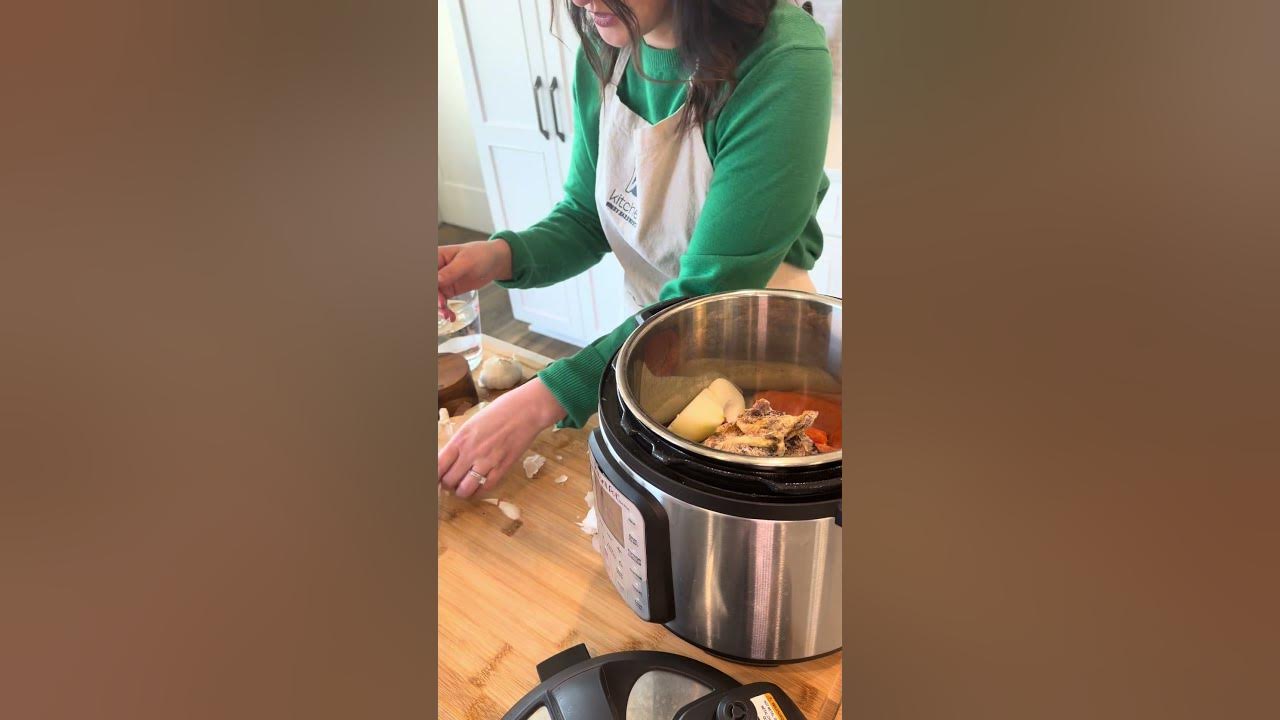
Transform Kitchen Scraps: Your Guide to Nutritious Chicken Stock
Imagine a foundational ingredient that elevates every dish it touches, transforming ordinary meals into extraordinary culinary experiences. We're talking about homemade chicken stock – a liquid gold born from the simplest ingredients, yet rich in flavor and packed with nourishing goodness. If you've ever settled for store-bought versions, prepare for a revelation. Making your own chicken stock is not just a cooking technique; it's a resourceful, money-saving, and deeply satisfying endeavor that unlocks a new dimension of taste in your kitchen.
From cozy soups and hearty stews to elegant risottos and silken pan sauces, quality chicken stock is the secret ingredient that professional chefs and home cooks alike swear by. And the best part? It's incredibly easy to make, often utilizing ingredients you might otherwise discard, like chicken bones and vegetable scraps. Let's dive into the world of homemade chicken stock and discover how you can transform humble scraps into a culinary powerhouse.
The Unbeatable Benefits of Homemade Chicken Stock
The allure of homemade chicken stock extends far beyond its delicious taste. It offers a multitude of advantages that make it a cornerstone of a well-stocked, health-conscious kitchen.
- Unparalleled Flavor and Depth: This is arguably the most significant differentiator. Homemade chicken stock simmers for hours, slowly extracting complex flavors from bones, vegetables, and aromatics. The result is a deeply savory, rich liquid with a nuanced profile that simply cannot be replicated by mass-produced, boxed alternatives. It brings an authentic, wholesome taste that elevates any recipe. To truly understand the difference, explore Unlock Richness: Why Homemade Chicken Stock Beats Store-Bought.
- Superior Nutrition: When you make chicken stock from scratch, you're creating a naturally nourishing product. The long simmering process extracts collagen from the bones, which breaks down into gelatin, providing amino acids that support gut health, skin elasticity, and joint function. Free from artificial additives, preservatives, excessive sodium, or unknown chemicals, homemade stock is a pure, healthy choice for your family.
- Sustainable and Budget-Friendly: One of the most gratifying aspects of making chicken stock is its resourcefulness. It's the ultimate way to reduce food waste, giving a second life to roasted chicken carcasses, raw chicken bones (like wing tips or backs), and vegetable trimmings (onion skins, carrot peels, celery ends). This practice not only minimizes waste but also significantly cuts down on grocery expenses, making it an incredibly economical choice in the long run.
- Versatility in the Kitchen: A good batch of chicken stock is like liquid gold in your culinary arsenal. It forms the base for countless dishes – from classic chicken noodle soup and comforting risotto to flavorful gravies, sophisticated pan sauces, and tender braised meats. Its versatility means you'll reach for it constantly.
- Aromatic Experience: There's something inherently comforting and homey about the smell of chicken stock simmering gently on the stovetop or in a slow cooker. It fills your kitchen with a rich, inviting aroma that promises deliciousness to come.
Crafting Your Own Liquid Gold: Two Popular Methods
While the concept of making chicken stock might seem daunting, it's surprisingly straightforward. Whether you prefer a watchful eye or a hands-off approach, there's a method perfect for you.
Stovetop Method: The Classic Approach
The stovetop method is traditional and offers great control over the simmering process. It typically takes around 3-4 hours, yielding a wonderfully flavorful stock.
- Gather Your Ingredients:
- Chicken Bones: The foundation of your stock. This can be a roasted chicken carcass, a collection of raw bones (backs, necks, wing tips, even feet for extra gelatin), or a mix. Roughly 2-3 pounds is a good starting point for a large pot.
- Aromatics (Mirepoix): Roughly chopped onions (peels on for color!), carrots, and celery are classic. About 1 large onion, 2-3 carrots, and 2-3 celery stalks.
- Herbs & Spices: Fresh parsley stems, thyme sprigs, bay leaves, and whole black peppercorns are excellent additions. Consider a head of garlic, halved, for depth.
- Water: Enough cold water to cover all ingredients by about an inch (typically 4-6 quarts for a large stockpot).
- Combine & Cover: Place all your chicken bones, vegetables, herbs, and spices into an extra-large stockpot (at least 8-quart capacity, preferably larger). Pour in the cold water, ensuring everything is submerged. Starting with cold water allows impurities to rise to the surface slowly, making them easier to skim off for a clearer stock.
- Simmer Gently: Bring the pot to a boil over high heat. As it approaches boiling, you'll see foam and impurities rise to the surface. Skim these off using a ladle or spoon; this step is crucial for a clean, clear stock. Once boiling, reduce the heat to low, so the stock is just barely simmering – small, lazy bubbles should occasionally break the surface. Cover partially and simmer for at least 3 hours, up to 4-5 hours for deeper flavor. Avoid vigorous boiling, which can emulsify fats and make your stock cloudy.
- Strain & Cool: Carefully remove the larger solids (bones, veggies, herbs) with tongs or a slotted spoon. Then, pour the remaining liquid through a fine-mesh strainer (or a colander lined with cheesecloth) into another large container. Let the stock cool at room temperature for an hour or two before refrigerating.
Slow Cooker Method: The Hands-Off Approach
For those who prefer minimal fuss, the slow cooker is your best friend. It allows for a longer, gentler simmer with very little oversight.
- Prepare Ingredients: Use the same ratio of chicken bones, vegetables, herbs, and spices as the stovetop method.
- Load the Cooker: Place all ingredients into your slow cooker. Fill with cold water, leaving about an inch of space from the top.
- Set and Forget: Cook on LOW for 8-12 hours, or on HIGH for 4-6 hours. The gentle, consistent heat of the slow cooker is ideal for extracting maximum flavor and nutrients without boiling vigorously.
- Strain & Cool: Once done, follow the same straining and cooling process as the stovetop method.
Customizing Your Stock: Beyond the Basics
While the basic mirepoix (onion, carrot, celery) is fantastic, don't be afraid to experiment and personalize your chicken stock. The beauty of homemade stock lies in its adaptability.
- Roast First for Deeper Flavor: For an exceptionally rich and golden stock, consider roasting your chicken bones and even your vegetables (onions, carrots, celery) in the oven before adding them to the pot. Roasting caramelizes their sugars and deepens their savory notes, adding incredible complexity.
- Expand Your Vegetable Palette: Beyond the classics, try adding leek greens, parsnip peels, mushroom stems (for an umami boost), or even bell pepper cores (avoid cruciferous vegetables like broccoli or cabbage, as they can impart bitter flavors).
- Aromatics from Around the World: Want a different profile?
- For a touch of sweetness and depth, add a head of roasted garlic (simply halve it and add to the pot).
- For a subtle warmth and a hint of spice, a few slices of fresh ginger can be wonderful.
- A sprig of fresh fennel or a few fennel seeds can impart a delicate anise flavor.
- Consider adding a star anise pod or a few cloves for an aromatic, almost exotic twist, especially if you plan to use the stock in Asian-inspired dishes.
- A dash of apple cider vinegar (1-2 tablespoons) at the start can help extract more minerals from the bones.
- Hold the Salt: A key tip for versatility is to omit or use very little salt when making your chicken stock. As the stock reduces during cooking, the salt concentration will intensify. By leaving it unsalted, you have complete control over the final seasoning of your dishes.
Storing Your Culinary Treasure & Creative Uses
Once your beautiful batch of chicken stock is ready, proper storage ensures you can enjoy its benefits for months to come.
- Skim the Fat: After your stock has cooled completely, refrigerate it overnight. The fat will solidify on top, forming a protective layer. Skim this fat off before portioning. You can discard it, or save a small amount to cook with for extra flavor (like for sautéing vegetables in a soup).
- Refrigerate: Store in airtight containers in the refrigerator for up to 5 days.
- Freeze for Longevity: For longer storage, freeze your chicken stock. It will keep well for up to 3-6 months.
- Ice Cube Trays: Freeze portions in ice cube trays for quick, small amounts needed for pan sauces or cooking grains.
- Freezer Bags: Pour cooled stock into freezer-safe bags, removing as much air as possible, and lay flat to freeze for easy stacking.
- Containers: Use rigid freezer-safe containers, leaving an inch or two of headspace for expansion.
Now that you have a stash of homemade chicken stock, let your culinary imagination run wild!
- Soups & Stews: The obvious choice! From comforting chicken noodle to hearty vegetable stew, it's the ultimate flavor base.
- Risotto & Polenta: Achieve creamy, deeply flavorful risottos and polentas.
- Pan Sauces & Gravies: Deglaze pans after searing meats for incredibly rich sauces.
- Braising Liquids: Perfect for braising short ribs, pot roasts, or chicken thighs, yielding tender, flavorful results.
- Cooking Grains: Use instead of water when cooking rice, quinoa, or couscous for an added layer of flavor.
- Steaming Vegetables: A splash of stock instead of water imparts a savory depth to steamed greens.
Troubleshooting & Expert Tips for Perfect Stock
Even seasoned cooks encounter small hurdles. Here are some common issues and tips to ensure your chicken stock is always a success:
- Cloudy Stock: The most common culprit is boiling too vigorously or stirring too often. Remember, a gentle simmer is key. Also, ensure you start with cold water and skim impurities early on. Don't worry if it's slightly cloudy – it still tastes great!
- Weak Flavor: This usually means not enough bones, too much water, or not enough simmering time. Next time, add more bones (or roast them first), reduce the water slightly, and extend the simmer.
- Too Salty: As mentioned, avoid adding salt at the beginning. If you absolutely must, add a tiny pinch, knowing it will concentrate. It's always easier to add salt later than to remove it.
- Fat Removal: If you forget to skim the fat before freezing, you can usually scrape it off the solidified block of stock when you're ready to use it.
- Don't Overcrowd the Pot: Give your ingredients room. Too many bones and vegetables can hinder proper circulation and extraction of flavor.
- Use Fresh Herbs (Stems Too!): Fresh herbs, especially parsley and thyme, contribute beautiful aromatics. Don't discard the stems; they hold a lot of flavor and are perfect for stock.
Embracing homemade chicken stock is more than just cooking; it's a mindful approach to food, health, and sustainability. It empowers you to create deeply nourishing, incredibly flavorful meals from scratch, using ingredients that might otherwise go to waste. So, next time you finish a roasted chicken, save those bones! Gather your vegetable scraps, grab your largest pot, and embark on the rewarding journey of making your own liquid gold. Your taste buds, your wallet, and the planet will thank you.
